*Contribution by Jane Ponce
*Contribution by Jane Ponce

Word Game Time (https://wordgametime.com/) is a free website that offers language arts games and homework help. The games are fun and have been approved by educators. The goal of Word Game Time is to help students succeed. The site provides content for kindergarten through 7th-grade students in spelling, typing, reading, geography, and language arts.
Word Game Time features a user-friendly site with content organized by grade, subject, and type. The language arts section includes activities that help students with letter-sound recognition, parts of speech, subject-verb agreement, and other essential skills. Another noteworthy feature is the educational videos, which are fun and engaging for all grade levels. Some videos are animated, while others offer instruction from a teacher.
Word Game Time is similar to websites like ABCYa.com and Funbrain.com. However, what sets it apart is the variety of free worksheets available for teachers, parents, and students. While some sites offer worksheets, the ones on Word Game Time cover a wide range of topics, including poetry, homophones, and dictionary practice.
Word Game Time is an excellent online resource for teachers, parents, and students seeking more variety in online learning and practice. The variety sets this website apart from other online learning games and resource sites. The materials are well-organized and easy to find, making it a site that makes learning fun and engaging.
*Contribution by T. Leon Guerrero


Literably (https://www.literably.com/) is an online literacy assessment for grades K-8 designed to inform instruction, screen students for reading difficulties, identify students’ reading levels, and monitor students’ response to intervention. The data needed to do this are generated by a student reading a short passage out loud into a computer, laptop or tablet device and answering several comprehension questions.
Literably yields an oral reading fluency (ORF) score. An ORF score measures the number of words a student reads out loud correctly in one minute and is sometimes written as words correct per minute. ORF has the desirable property that, in general, it is valid for the purpose of screening elementary school students for reading difficulties.
Unlike students assessed under these older instruments, students that use Literably read out loud into a device, typically a tablet or laptop. This is in contrast to the traditional process of an educator sitting with a student one-on-one and noting her errors as she reads. This change in mode of administration saves a large amount of staff time, which can improve student achievement via the reallocation of that time toward instructional activities
To promote content validity, Literably’s passages were selected to resemble the materials that students read in the classroom. Thus, Literably draws its reading passages, with permission, from leveled children’s trade books. Approximately half are excerpts and the remainder are the full book, with the full books concentrated at the lowest reading levels. Approximately half are fiction and half non-fiction. Pictures are available for all passages up through the 3rd grade level. All books were officially leveled according to Heinemann’s Guided Reading framework.
Literably does have a monthly subscription however teachers are offered a free one month trial. After signing up for literably, teachers then add their student roster into the program. After adding students, teachers can have students take the many assessments to start gathering data.


Overall, Literably is a great tool for parents and teachers. It is an all-in-one website for measuring a student’s literacy levels.
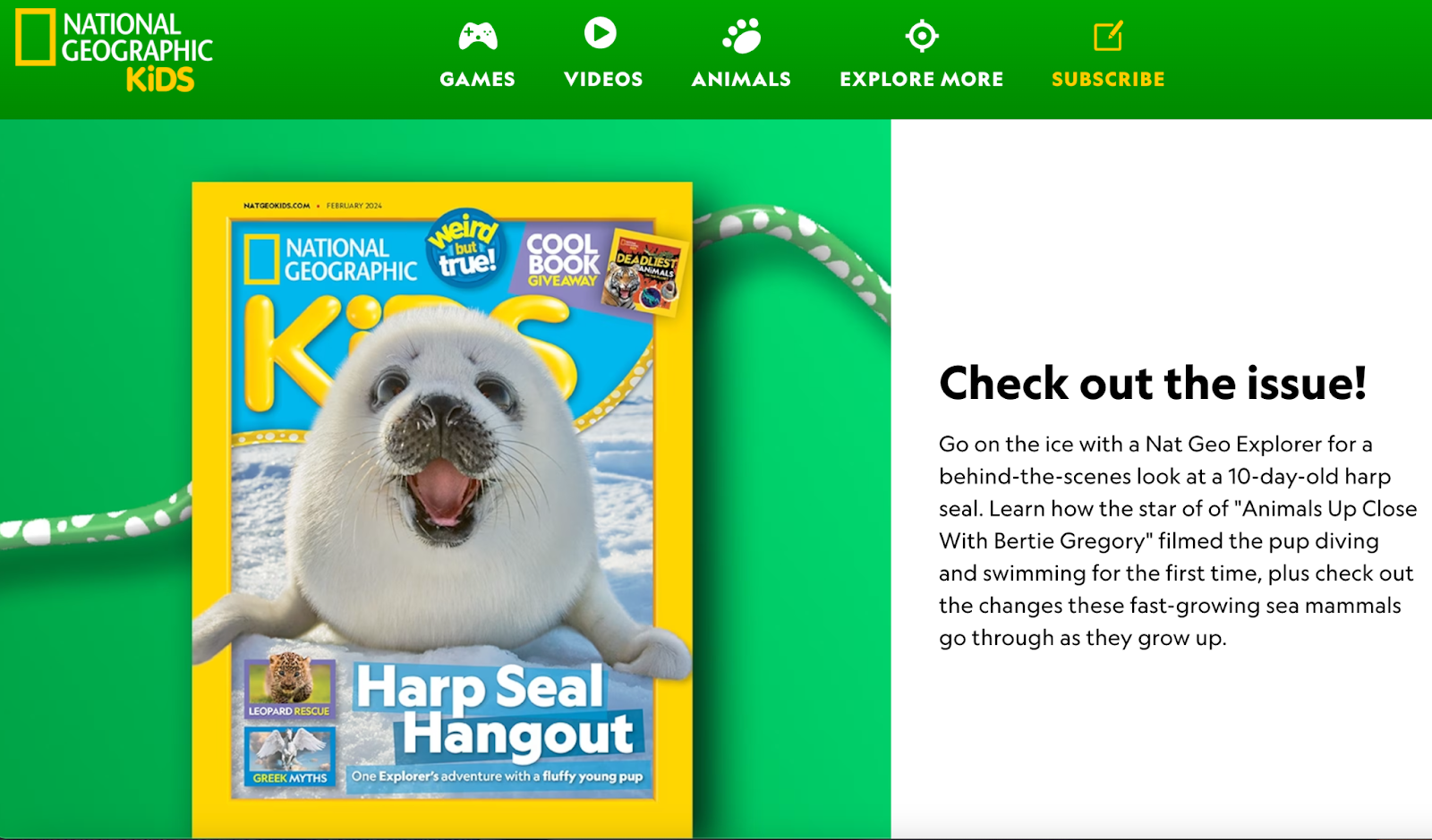
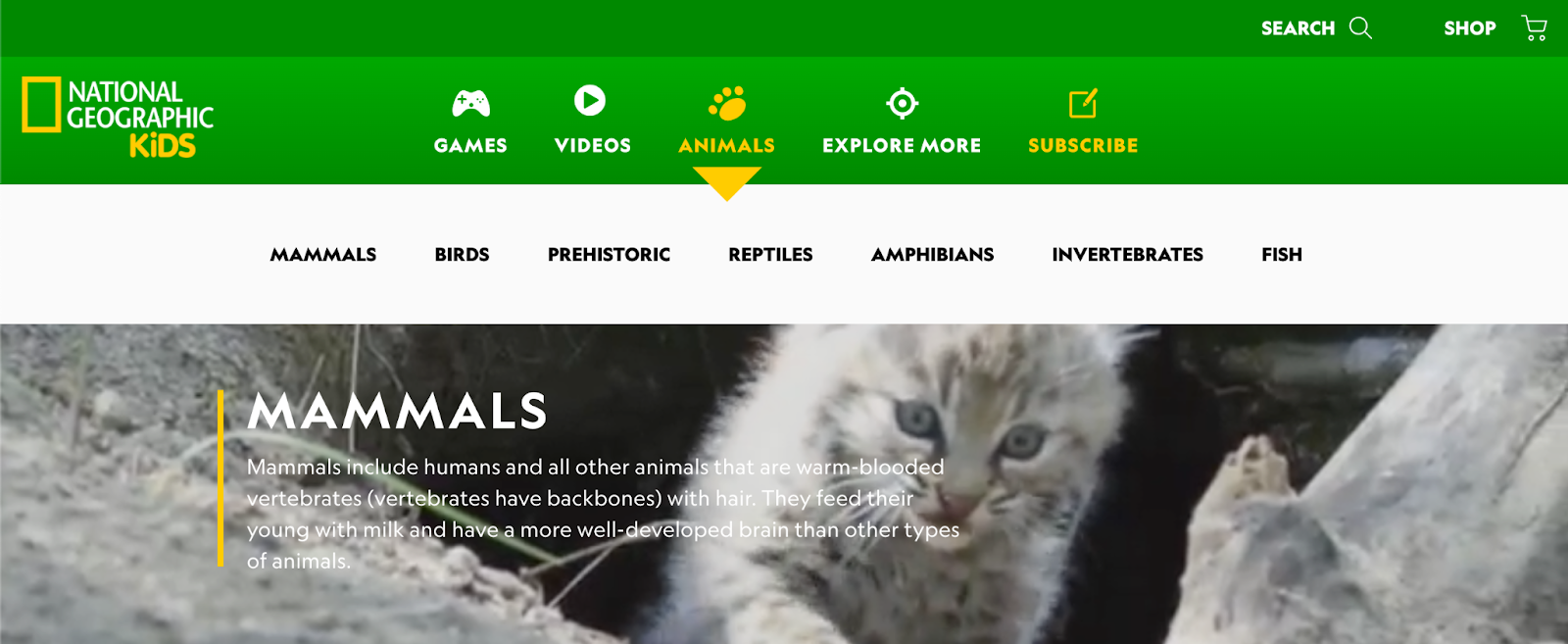
NAT GEO KIDS https://kids.nationalgeographic.com/ offers readers articles about nature and animals. NAT GEO Kids will definitely be more appealing to younger kids. This website is not just an excellent literacy resource for students, it can also be a very interactive and enjoyable site for young readers. It offers readers information about the animal kingdom. For students who love animals, this is one of those websites they will very much enjoy. In addition to the readers and articles about animals, they also have great educational videos that students will love. This is an effective literacy tool for school-aged children.
*Contribution by Anthony Ponce
Kids World Fun
URL: https://www.kidsworldfun.com/

Kidsworldfun.com stands out as a valuable resource for promoting literacy among young students. This free website offers an extensive range of literature options, providing over seven varieties to choose from. The diverse selection includes poems, short stories, myths and legends, magazines, e-books, children's books, and quotes specifically for kids. Within each category, users can explore a library of over 30 types of engaging stories, making it a versatile platform for reading with children.

A notable feature of the website is the "Learn" tab, offering educational content across various subjects such as English, science, math, coding, and even guidance on preparing for spelling bees. For a multisensory experience, Kidsworldfun.com includes nursery rhyme videos that promote rhythm and rhyme, enhancing language development.
Beyond literature and learning, the website also incorporates a wide variety of games and quizzes to make the educational journey enjoyable. Parents and educators will find additional resources such as arts and crafts activities, coloring pages, and even cooking activities, providing hands-on activities to children's development.


For teachers and kids alike, StoryJumper (https://www.storyjumper.com)is a remarkable literacy tool that emphasizes creativity and storytelling. Students
can create their own digital books by using the website's creative approach, which
encourages creativity and a sense of ownership in the learning process. With StoryJumper,
students can create customized stories using an intuitive interface that improves their writing
skills and fosters their artistic abilities by adding images.


Flocabulary is a learning platform that utilizes music and rap videos to enhance students' learning across various subject areas and gra...